Robots · Humanoids
Humanoid robot teleoperation, model by model
Humanoids learn from people. Here is how each model is driven remotely, what data it produces, who can actually buy one, and what it takes to run operators on it every day.
Updated
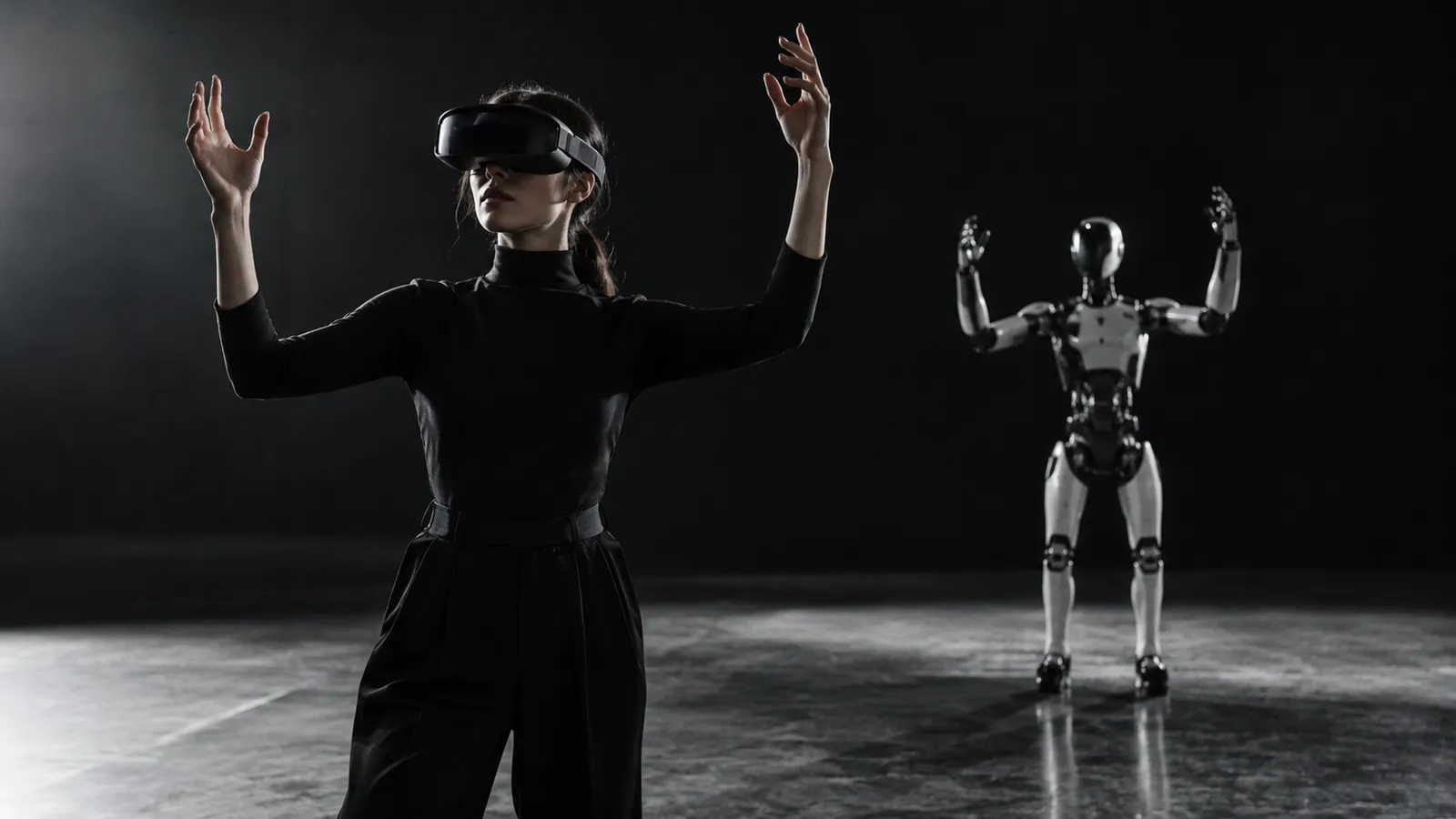
Every humanoid that does useful work today learned it from human demonstrations, and most still need a person to take over when they get stuck. The hardware differs a lot from model to model. The teleoperation problem is the same: map a human body onto a robot body, fast enough and cleanly enough that the result can be trained on.
How humanoids are teleoperated
VR headsets with hand tracking
Motion-capture suits and exoskeletons
Joysticks plus a learned controller
Supervision and takeover
What makes humanoid data good
Our guide on human-in-the-loop fallback covers the takeover side, and the data collection guide covers formats and quality checks.
Several humanoid makers have sent us robots to test our operating protocols. For your program, pilots are trained on your unit and your tasks, and the same group stays with you.
Pick your humanoid
Each page below covers one model: specs and SDK, how it is teleoperated today, public datasets, whether you can actually get one, and how we staff it.
| Model | Type | Best for | Driven with |
|---|---|---|---|
| Unitree G1Unitree | Compact research humanoid (1.32 m) | Manipulation and loco-manipulation datasets, research fleets | unitree_sdk2 (C++ / Python), unitree_ros2, xr_teleoperate (Vision Pro, PICO, Quest 3), LeRobot unitree_g1 |
| Tesla OptimusTesla | General-purpose humanoid (not for sale) | Tesla internal factory use only | Motion-capture suit (data collection), VR headset teleop, Helmet and backpack camera rigs, No public SDK |
| 1X NEO1X Technologies | Home humanoid with remote Expert Mode | Household chores, with scheduled remote experts | Voice and 1X mobile app, Expert Mode (remote 1X operator), Quest 3 headset + controllers (1X Experts), Redwood AI on-board policy |
| Unitree H2Unitree | Full-size humanoid (1.82 m, 31 DoF) | Human-height manipulation and whole-body data | unitree_sdk2 (EDU), xr_teleoperate v1.6 (H2, 7-DoF arms), NVIDIA Isaac TeleOp + GR00T (H2 Plus), unitree_mujoco (C++) |
| Unitree R1Unitree | Low-cost compact humanoid (1.23 m) | Multi-robot tabletop data fleets, teaching labs | unitree_sdk2 (EDU), xr_teleoperate v1.6 (R1_A5, R1_A7), Vision Pro, PICO, Quest 3, LeRobot v3.0 datasets |
| Unitree H1Unitree | Full-size research humanoid (H1 and H1-2) | Whole-body teleop research, full-size loco-manipulation | unitree_sdk2 / unitree_ros2, xr_teleoperate (H1 4-DoF, H1_2 7-DoF), Open-TeleVision (Vision Pro, Quest 3), OmniH2O / H2O (non-commercial) |
| Figure 03Figure AI | General-purpose humanoid (commercial deployments only) | Figure's own commercial and home programs | Helix / Helix 02 VLA (on-board), Teleoperation equipment (Figure operators), Human video and motion data, Figure Index app (human data) |
| Boston Dynamics AtlasBoston Dynamics | Electric industrial humanoid | Automotive and industrial material handling | VR teleop on BD's MPC controller, Tablet steering interface, Autonomous mode (LBM policies), Orbit fleet software |
| AgiBot A2AgiBot | Full-size service and performance humanoid | Reception, guiding, performances, recorded motion | AgiBot VR Teleoperation Kit (A2 only), AimMaster record and playback, Handheld remote controller, Swarm and dance control software |
| Fourier GR-1Fourier | Full-size research humanoid | VR teleop data collection and GR00T research | Fourier teleoperation (F.A.R.T.S.), Apple Vision Pro / Meta Quest 3, GRx SDK and fourier-grx-client, ROS 2 on Ubuntu 20.04 host |
| Agility DigitAgility Robotics | Bipedal warehouse and logistics humanoid | Tote handling and material moves in warehouses | Agility Arc fleet cloud, Warehouse and MES integration, Swappable ISO-flange end-effectors, No public SDK or teleop stack |
| UBTech Walker S2UBTech Robotics | Industrial humanoid with autonomous battery swap | Factory material handling around the clock | SDK via UBTech partner training, WalkerS2-Model URDF / USD, GHRC 2026 Isaac Sim baseline (LeRobot v3.0), Gigabit Ethernet / USB 3.0 |
| Booster T1 (and Booster T2)Booster Robotics | Mid-size research humanoid (T1, now T2) | RoboCup teams, locomotion research, custom teleop builds | Booster Robotics SDK (C++ / Python), Booster Studio, booster_gym (Isaac Gym), booster_train / booster_deploy |
| AgiBot X2AgiBot | Compact interaction and performance humanoid | Performances, interaction, motion data on Ultra | Handheld controller and mobile app, Secondary development (X2 Ultra only), AIMA Open Platform, Custom VR or mocap teleop |
| Pollen Robotics Reachy 2Pollen Robotics (Hugging Face) | Wheeled bimanual humanoid (open source) | VR teleop datasets in LeRobot, mobile manipulation research | Reachy2Teleoperation VR app (Windows), LeRobot reachy2 robot and teleoperator, pollen_data_acquisition_server, Python SDK (reachy2-sdk) |
| EngineAI PM01EngineAI | Mid-size open-SDK humanoid (1.40 m, 24 DoF) | Locomotion and motion-tracking research, custom teleop builds | EngineAI native SDK (ROS 2 Humble / Jazzy), engineai_ros2_workspace (Cyclone DDS), engineai_rl_lab (Isaac Lab), MuJoCo sim2sim |
| LimX Dynamics OliLimX Dynamics | Full-size humanoid (165 cm, 31 DoF body) | Whole-body motion data, mocap-driven teleop, research | Remote Control and High-Level Motion APIs, limxsdk-lowlevel (C++ / Python), GMR retargeting (Xsens, OptiTrack, PICO), Studio Package (data collection, optional) |
| Booster K1Booster Robotics | Kid-size humanoid (95 cm, 22 DoF) | RoboCup, locomotion and motion data, low-cost fleets | Booster Robotics SDK (C++ / Python), Booster Studio and Agents, booster_train (Isaac Lab), booster_deploy (MuJoCo, Webots) |
| AgiBot Genie G1AgiBot | Wheeled dual-arm data-collection humanoid | Teleop data collection and GO-1 fine-tuning | VR or motion-capture teleop (built in), Genie Studio, AgiBot World / LeRobot format, GO-1 foundation model |
| Rainbow Robotics RB-Y1Rainbow Robotics | Wheeled bimanual humanoid (mobile manipulator) | Leader-arm bimanual datasets, mobile manipulation research | rby1-sdk (Python / C++), ROS 2, Leader Arm and Stand Leader Arm (14 DoF), Tele-Op by VR (option) |
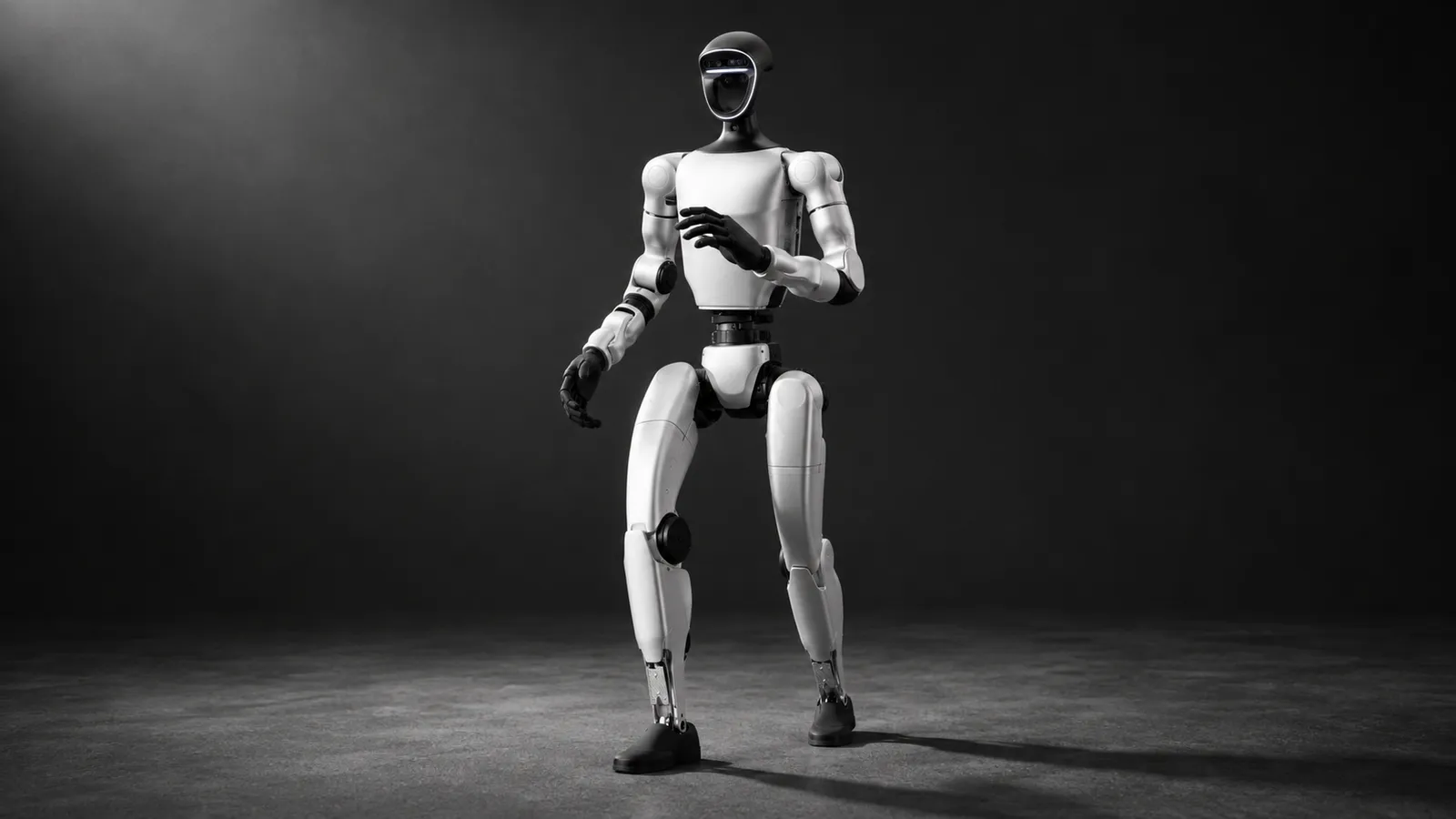 UnitreeUnitree G1 teleoperationManipulation and loco-manipulation datasets, research fleets
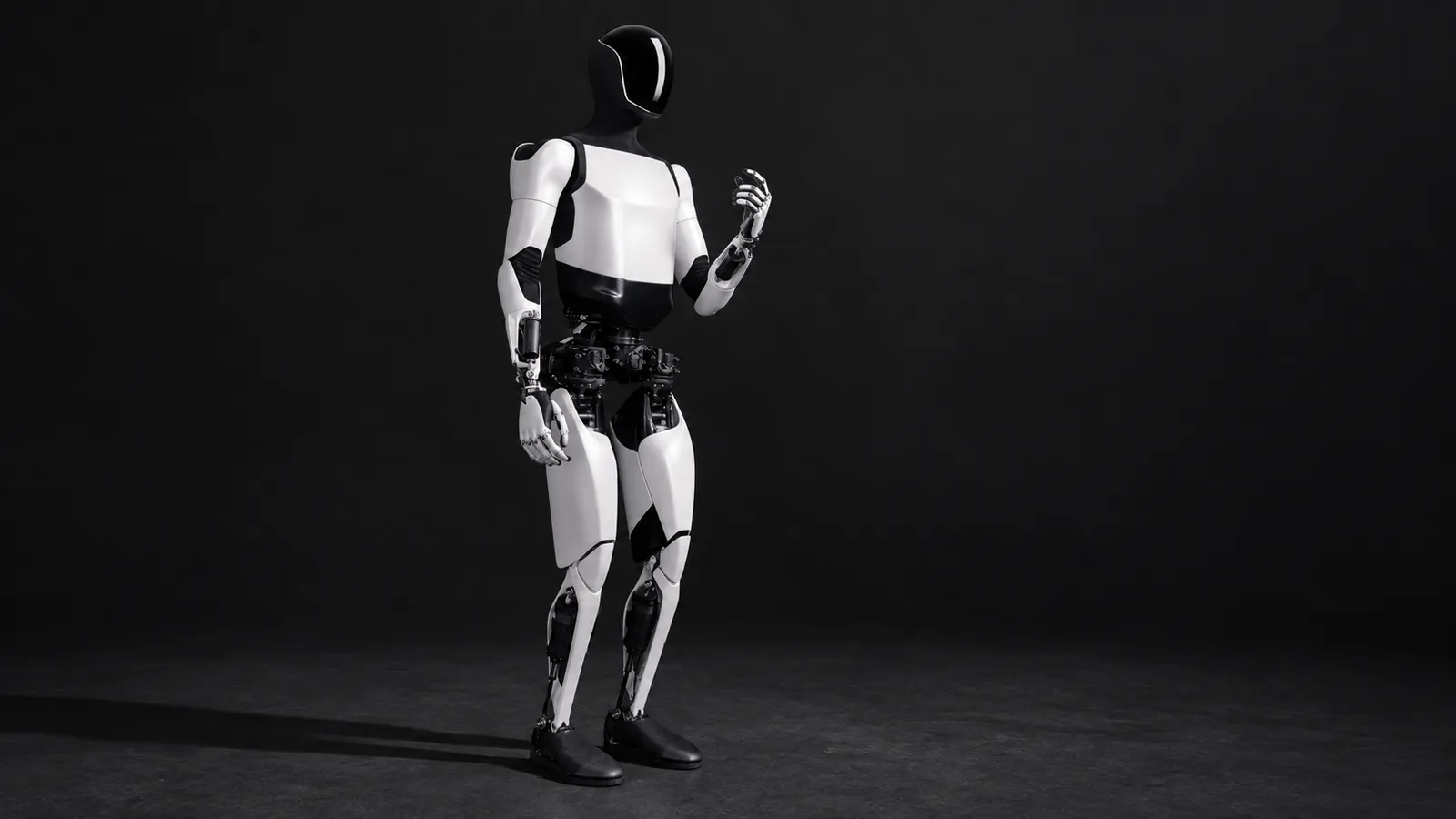 TeslaTesla Optimus teleoperationTesla internal factory use only
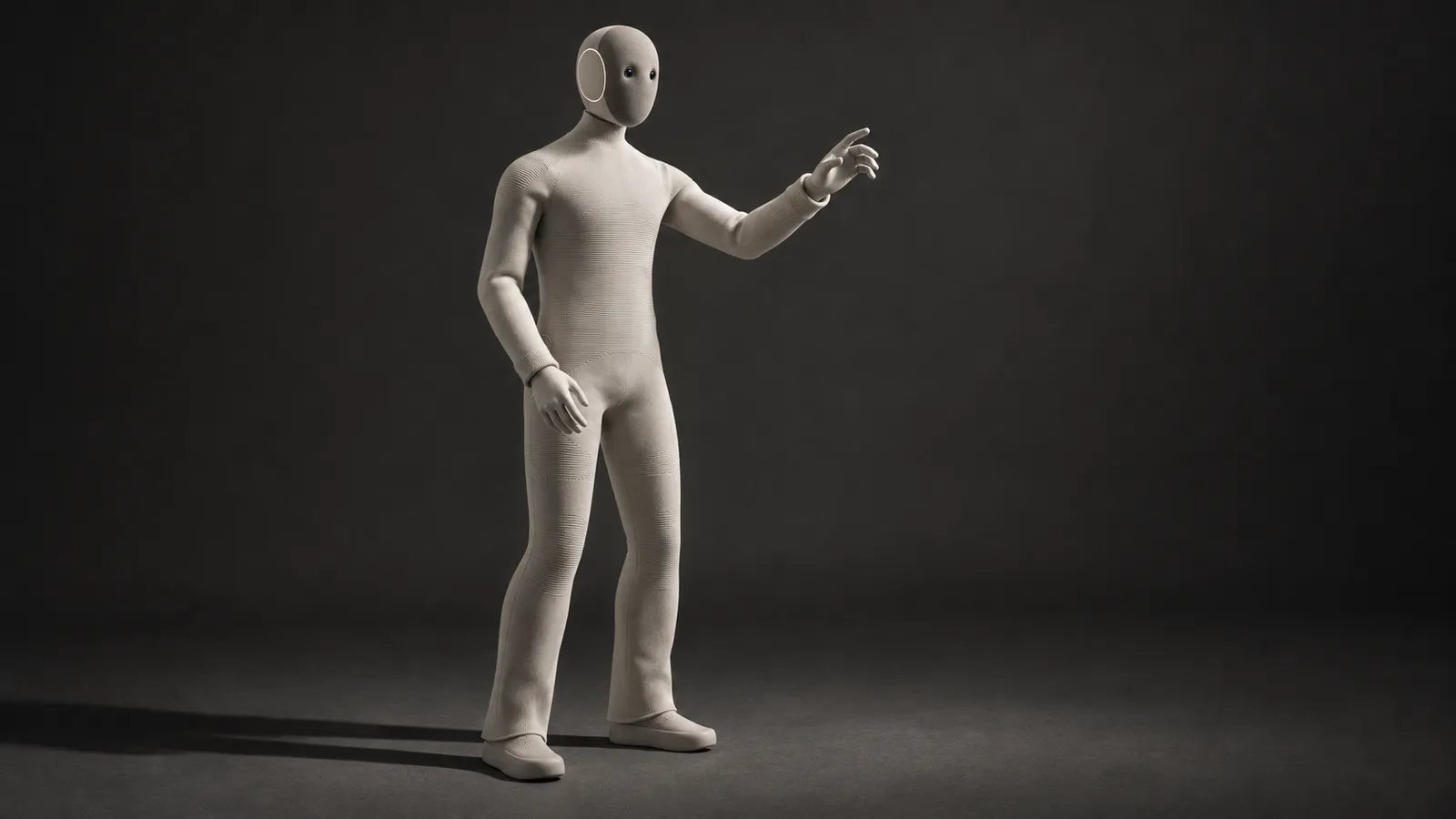 1X Technologies1X NEO teleoperationHousehold chores, with scheduled remote experts
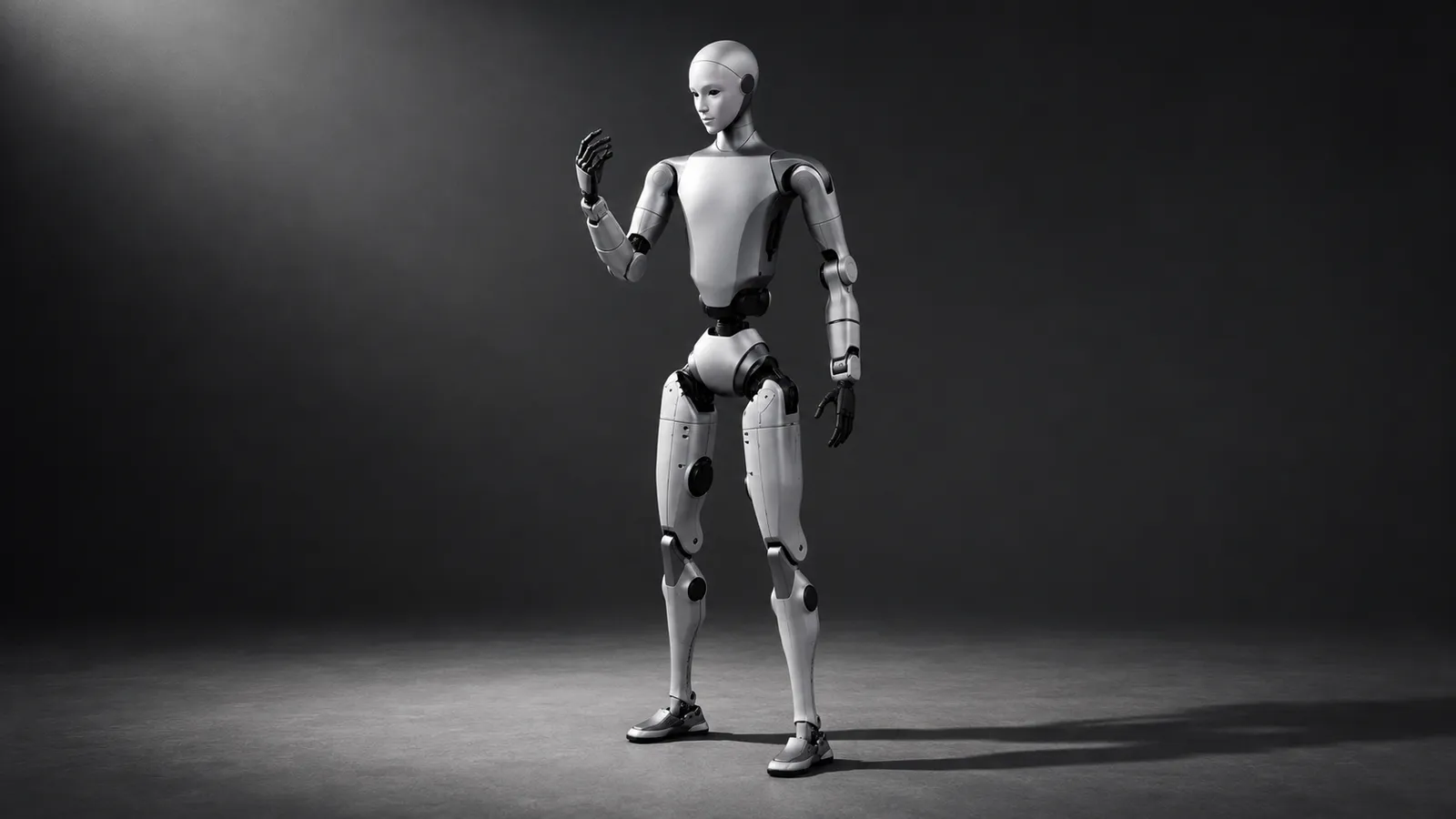 UnitreeUnitree H2 teleoperationHuman-height manipulation and whole-body data
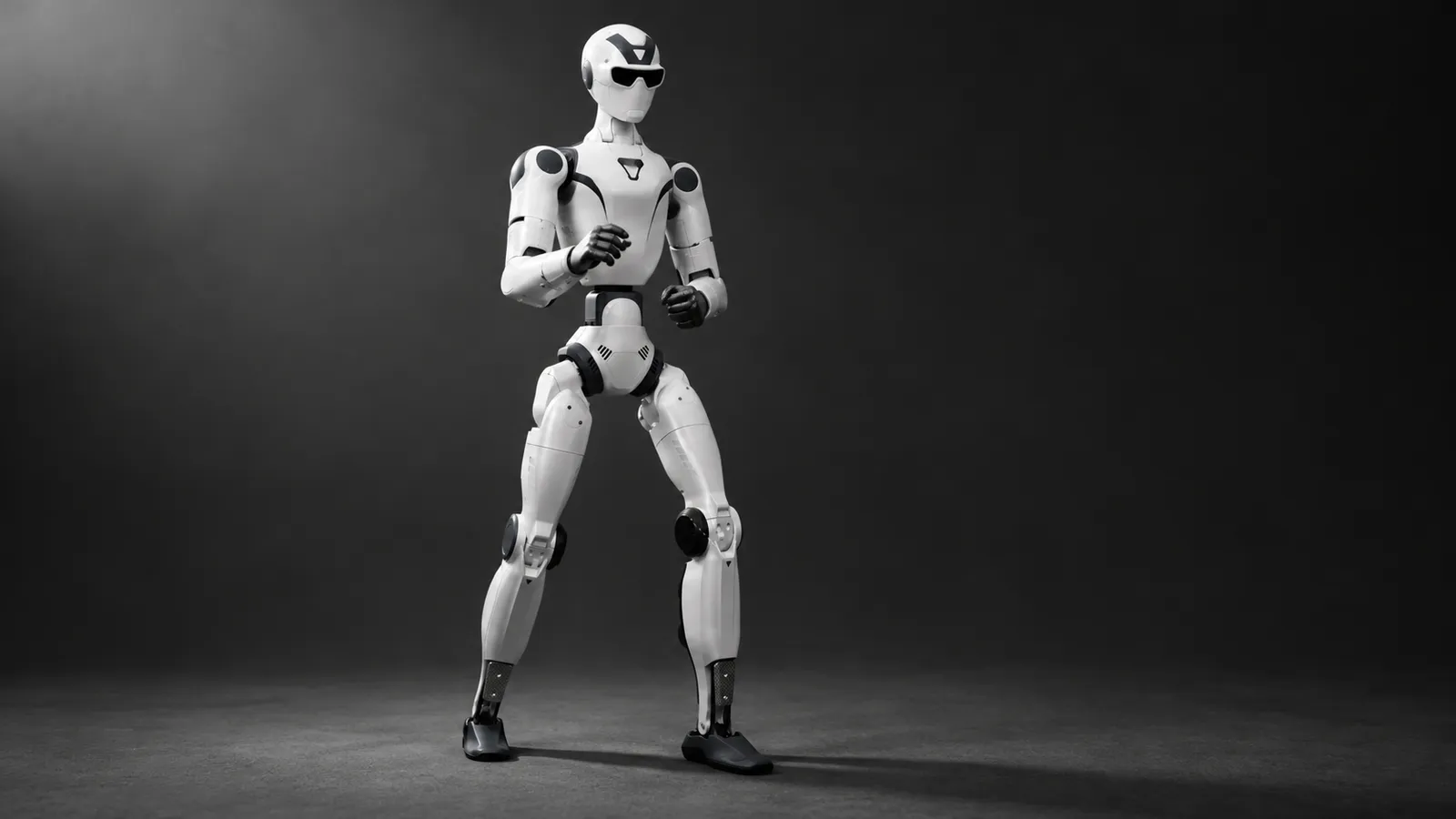 UnitreeUnitree R1 teleoperationMulti-robot tabletop data fleets, teaching labs
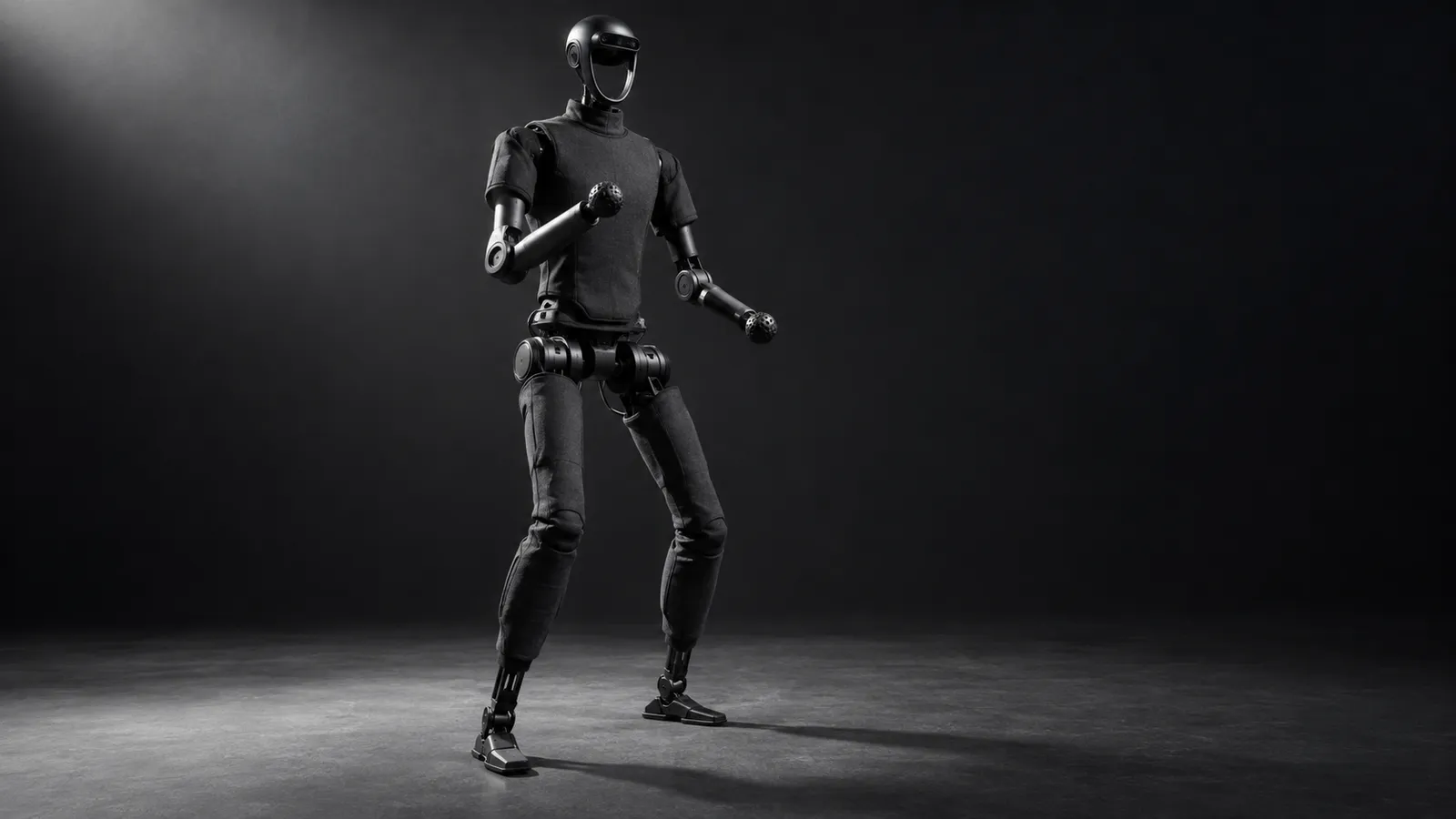 UnitreeUnitree H1 teleoperationWhole-body teleop research, full-size loco-manipulation
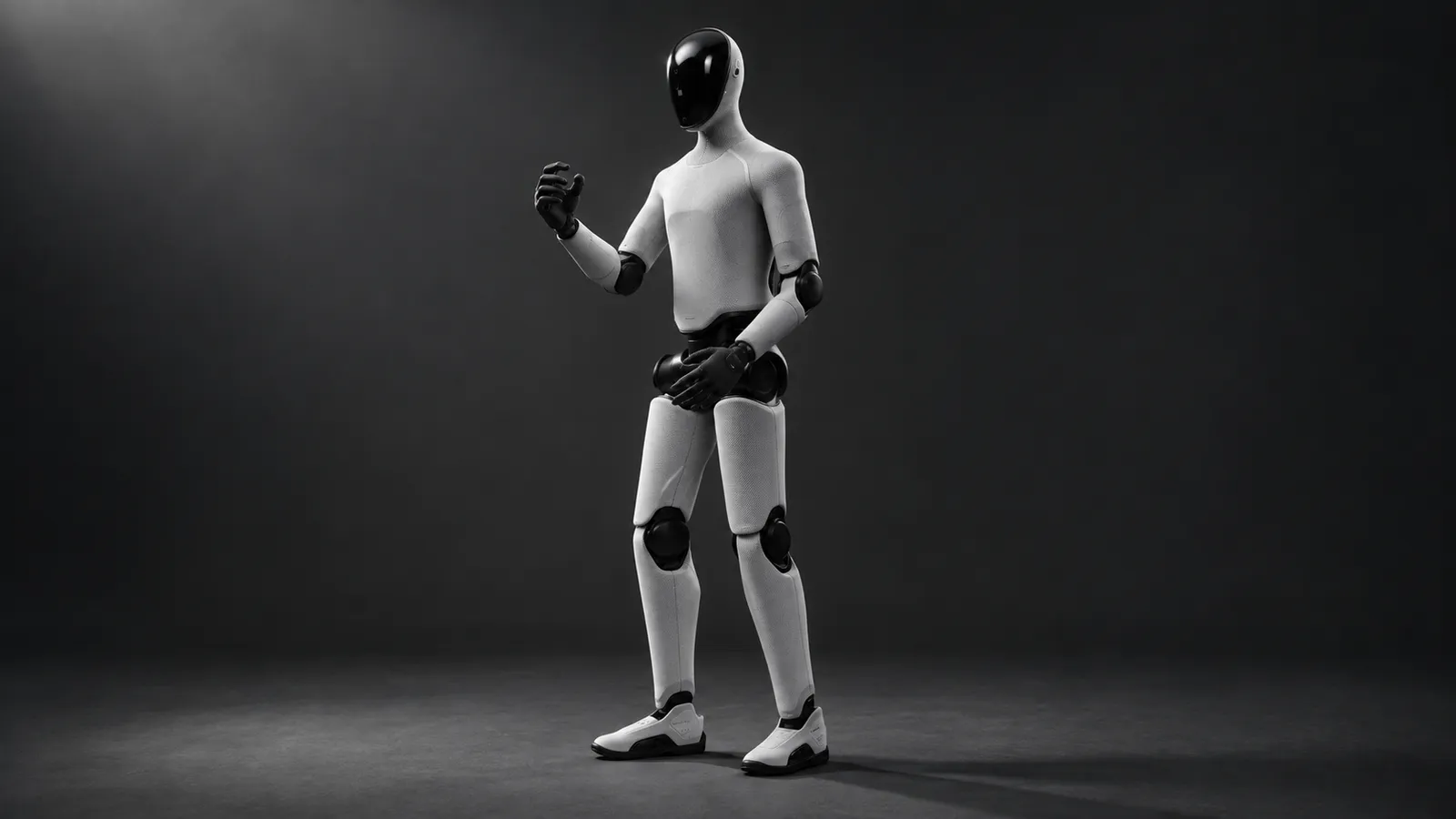 Figure AIFigure 03 teleoperationFigure's own commercial and home programs
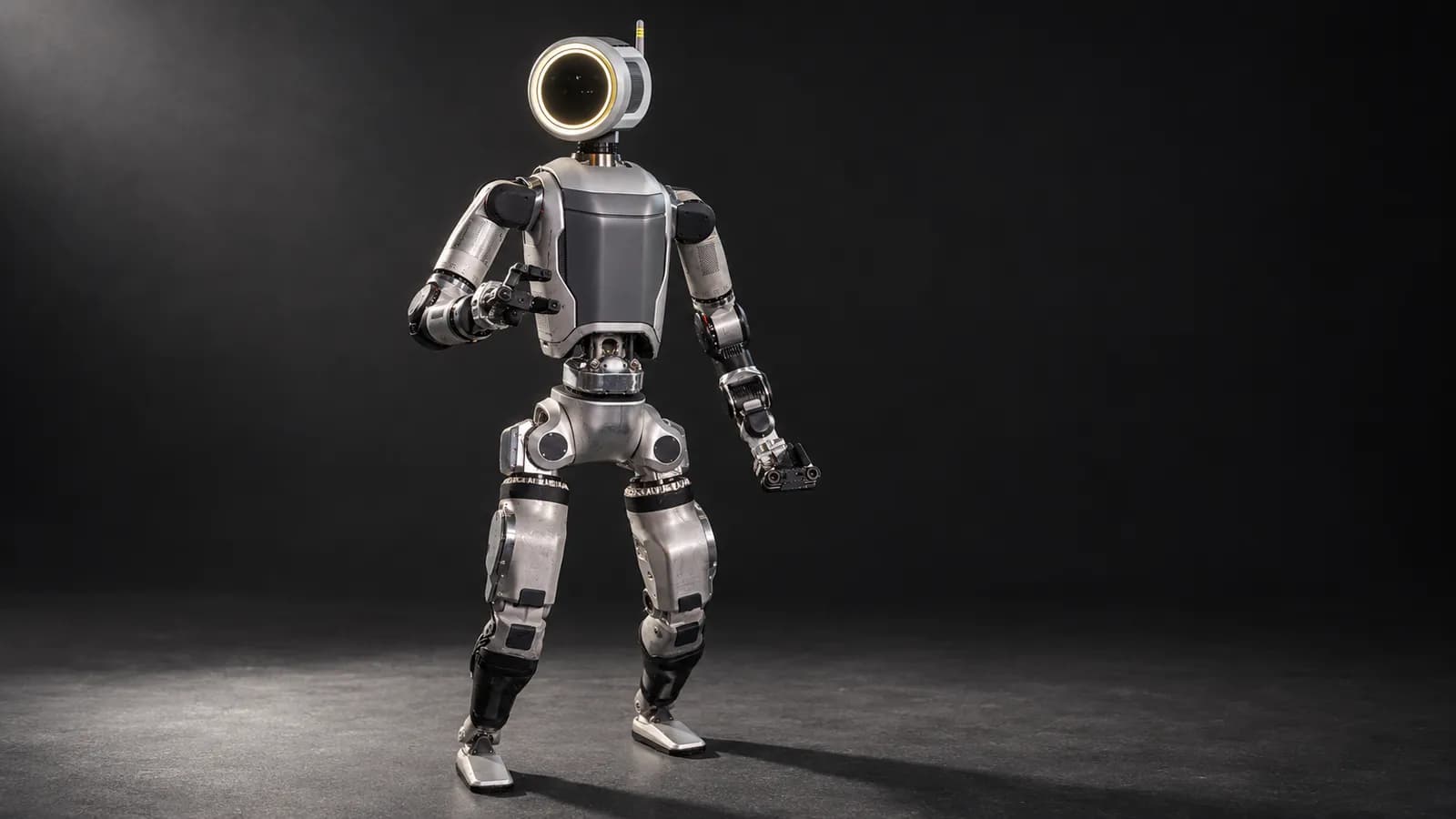 Boston DynamicsBoston Dynamics Atlas teleoperationAutomotive and industrial material handling
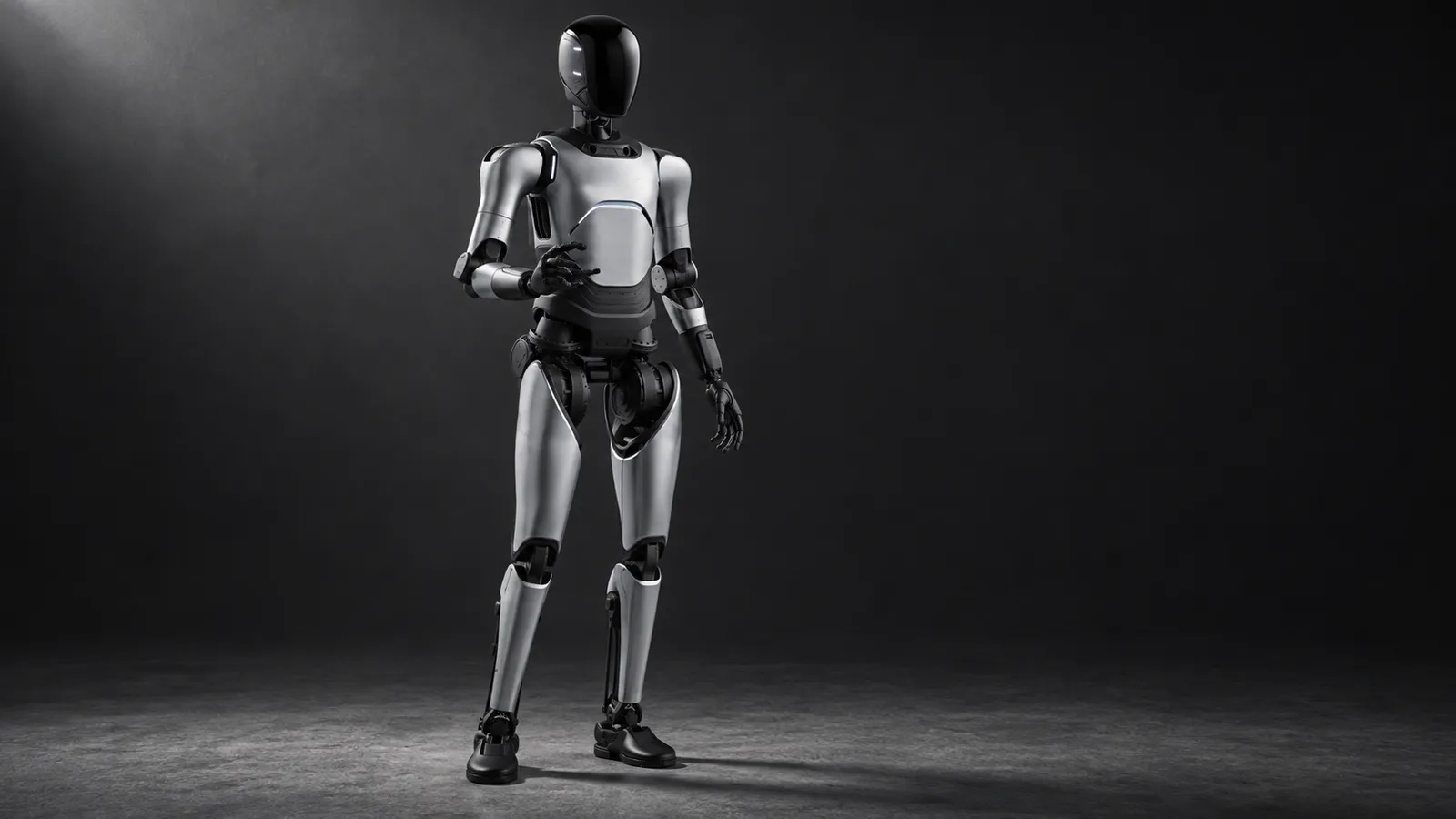 AgiBotAgiBot A2 teleoperationReception, guiding, performances, recorded motion
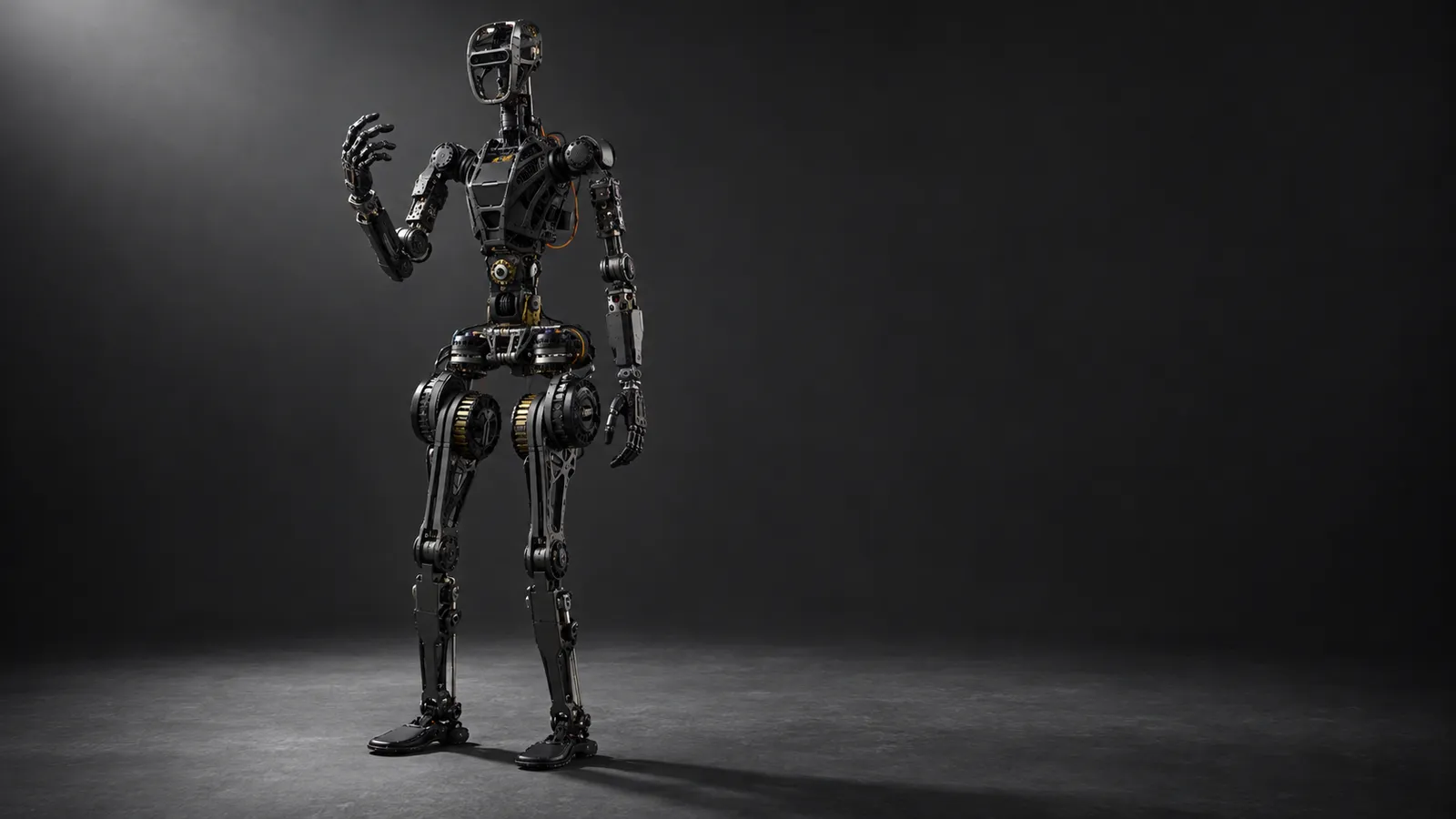 FourierFourier GR-1 teleoperationVR teleop data collection and GR00T research
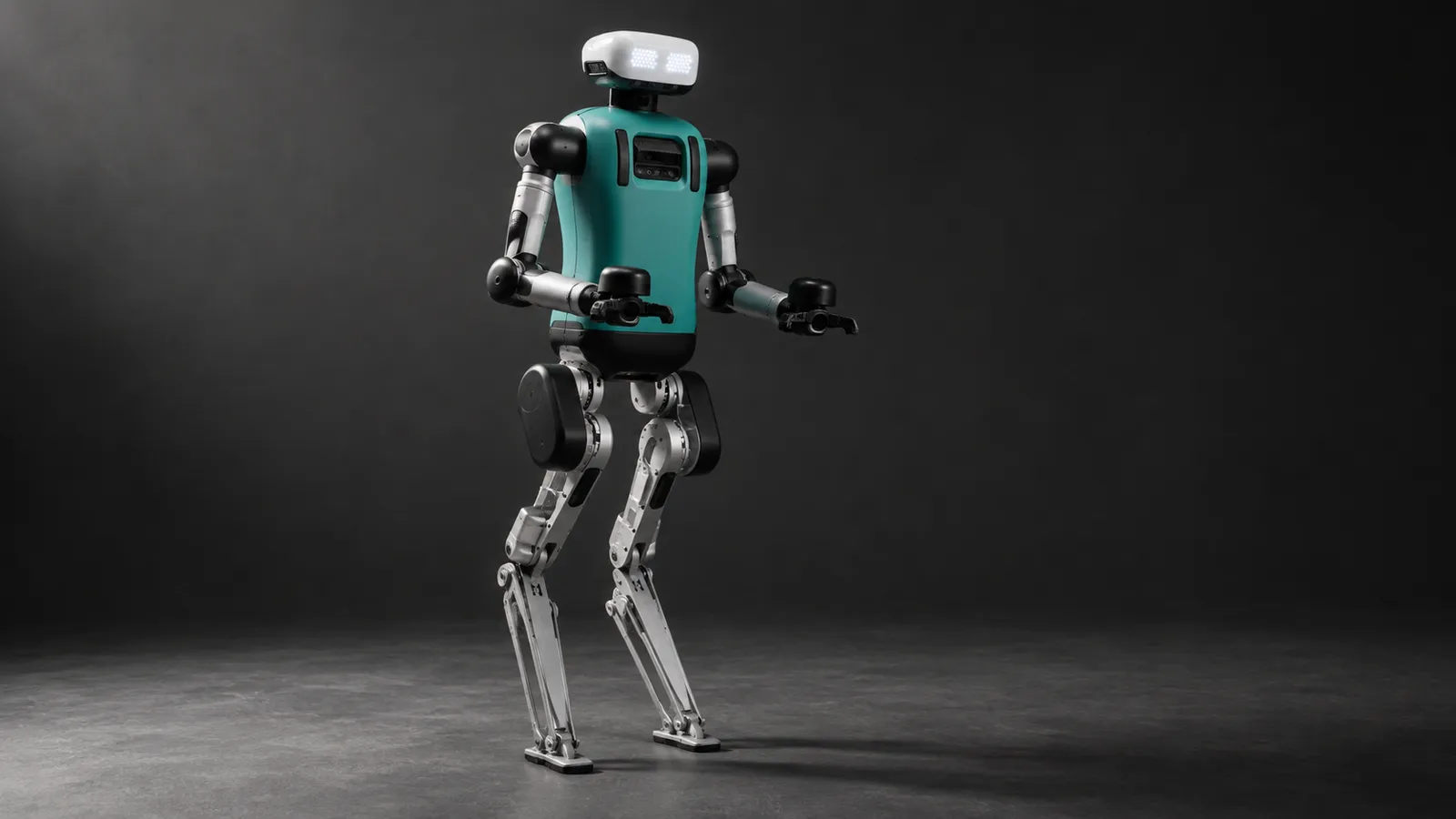 Agility RoboticsAgility Digit teleoperationTote handling and material moves in warehouses
 UBTech RoboticsUBTech Walker S2 teleoperationFactory material handling around the clock
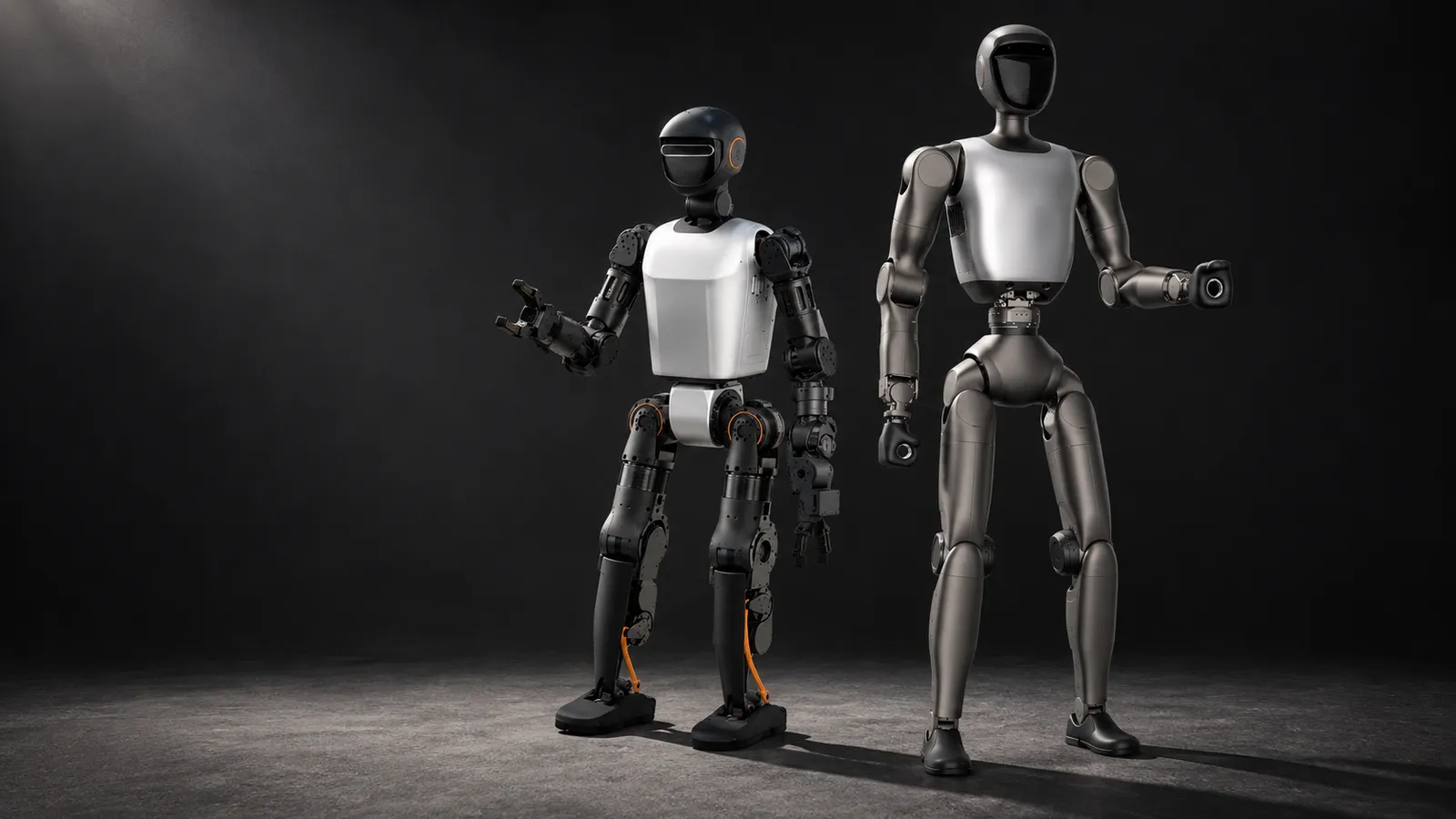 Booster RoboticsBooster T1 (and Booster T2) teleoperationRoboCup teams, locomotion research, custom teleop builds
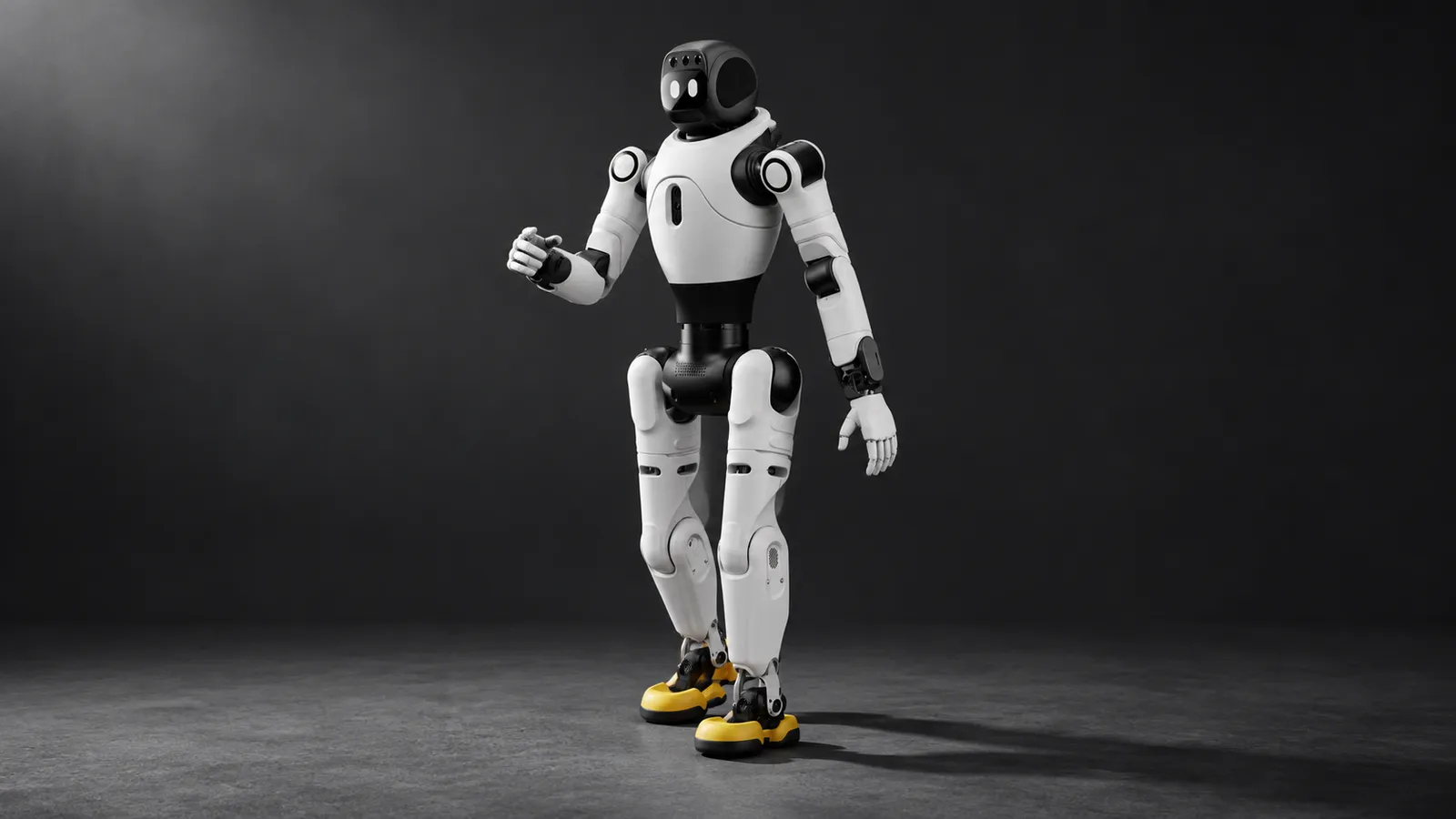 AgiBotAgiBot X2 teleoperationPerformances, interaction, motion data on Ultra
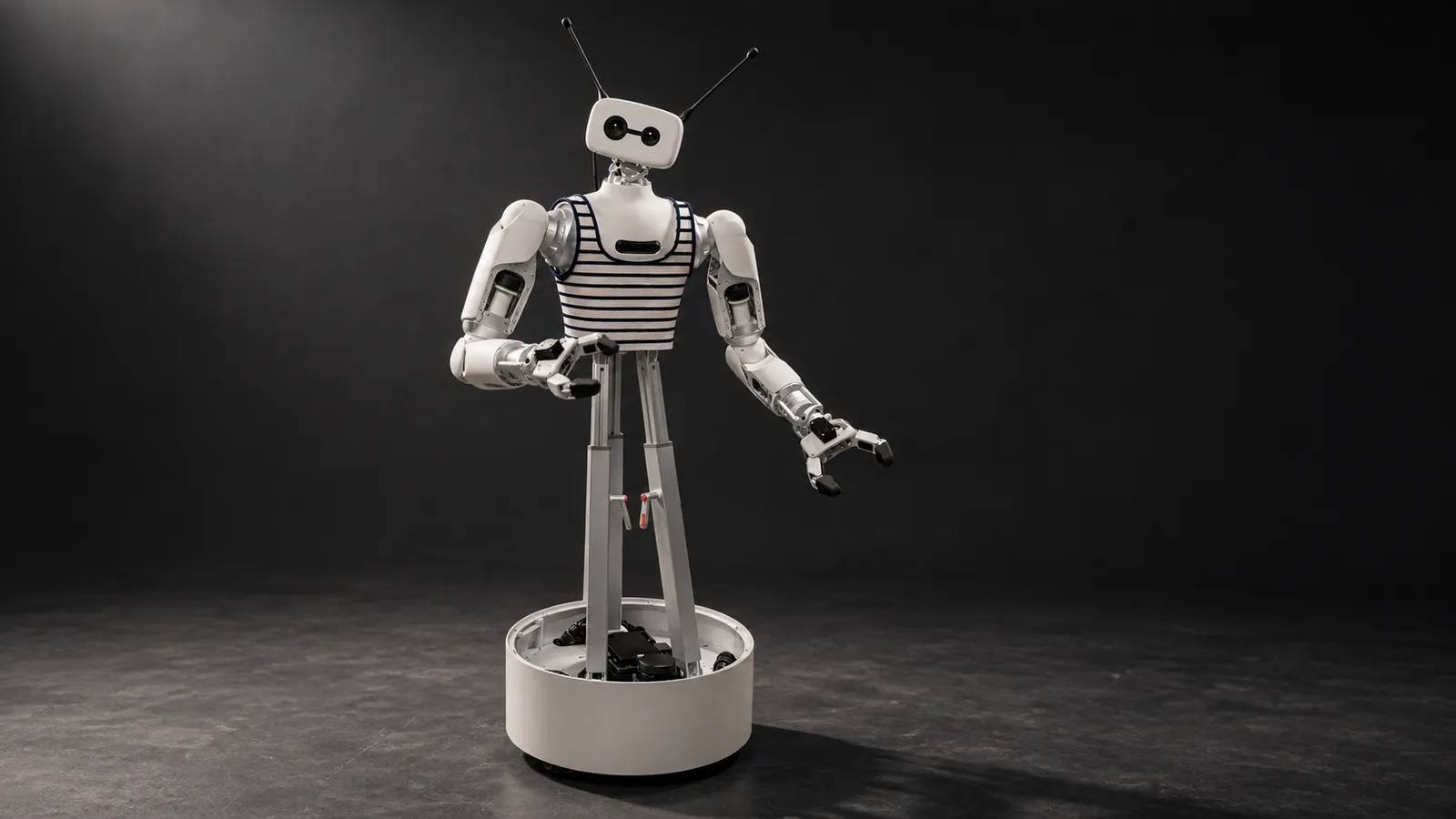 Pollen Robotics (Hugging Face)Pollen Robotics Reachy 2 teleoperationVR teleop datasets in LeRobot, mobile manipulation research
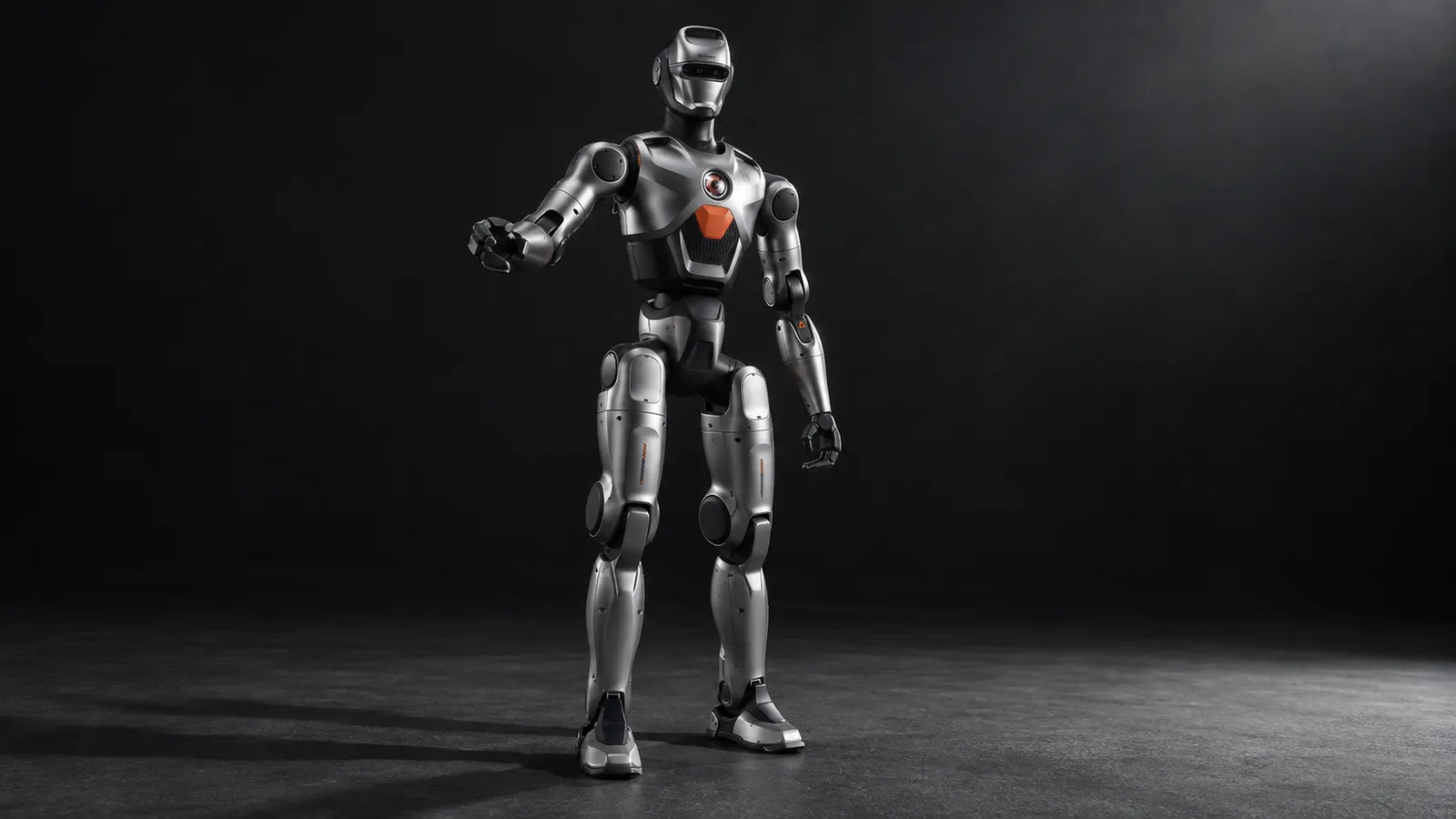 EngineAIEngineAI PM01 teleoperationLocomotion and motion-tracking research, custom teleop builds
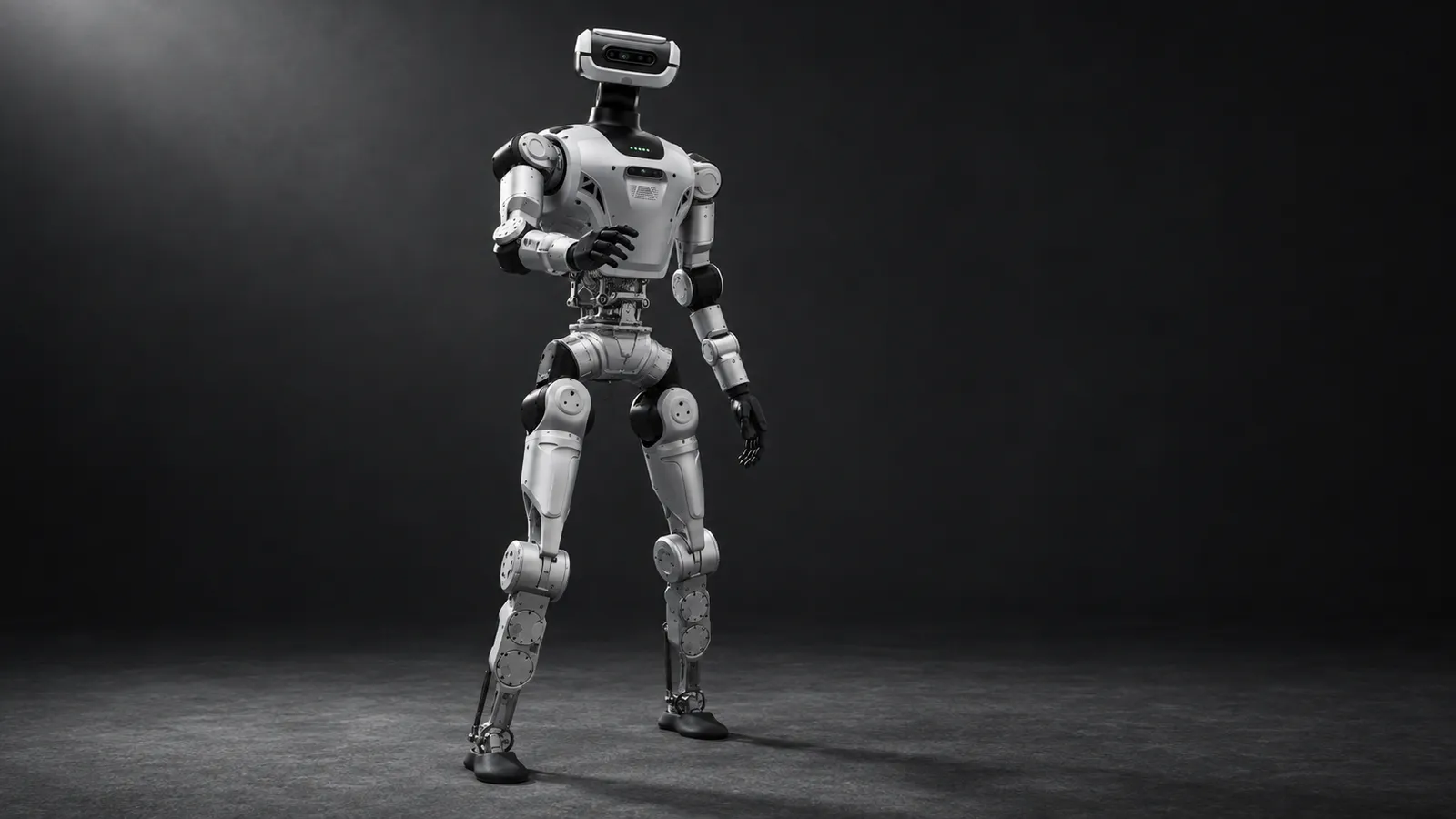 LimX DynamicsLimX Dynamics Oli teleoperationWhole-body motion data, mocap-driven teleop, research
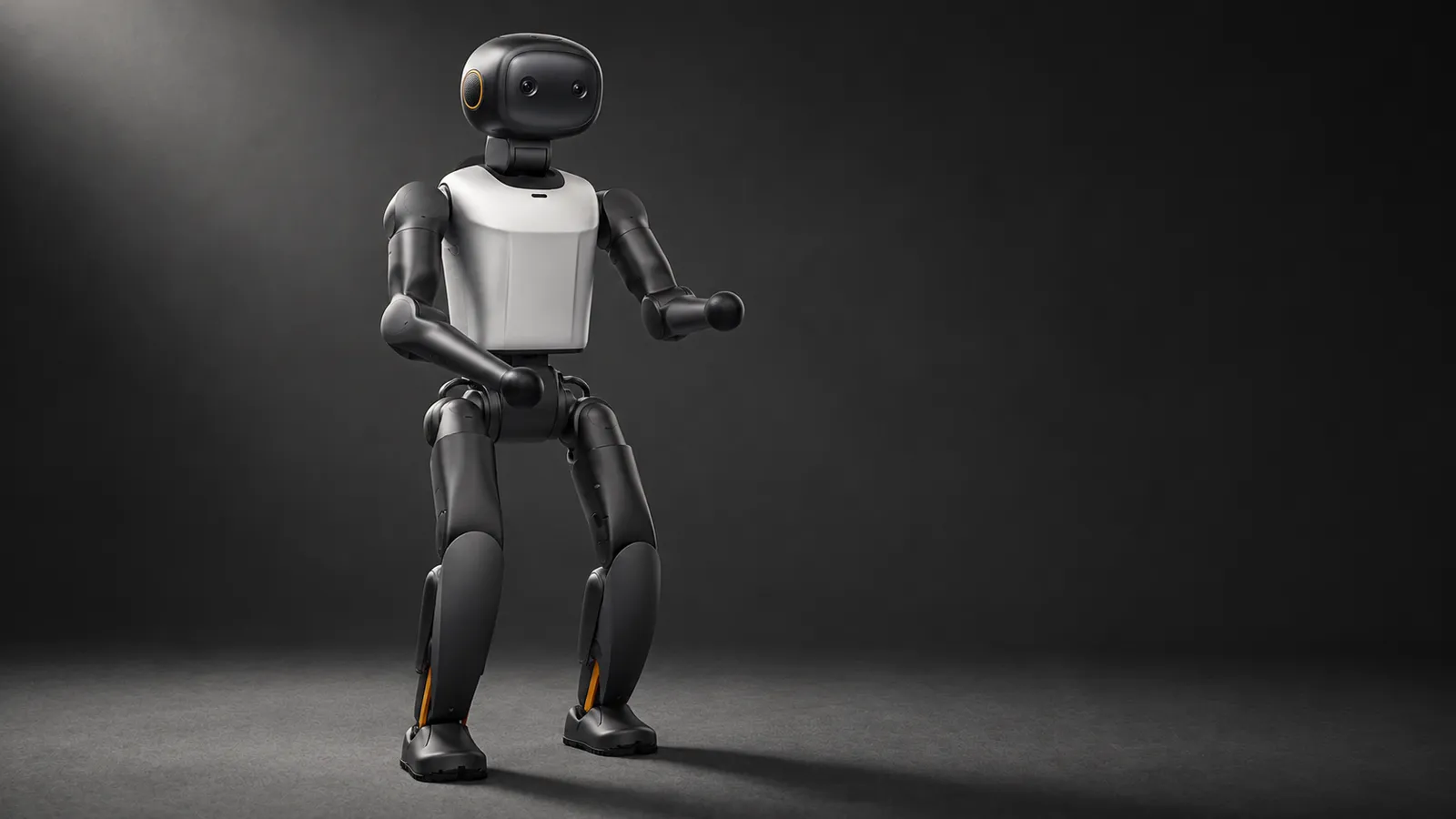 Booster RoboticsBooster K1 teleoperationRoboCup, locomotion and motion data, low-cost fleets
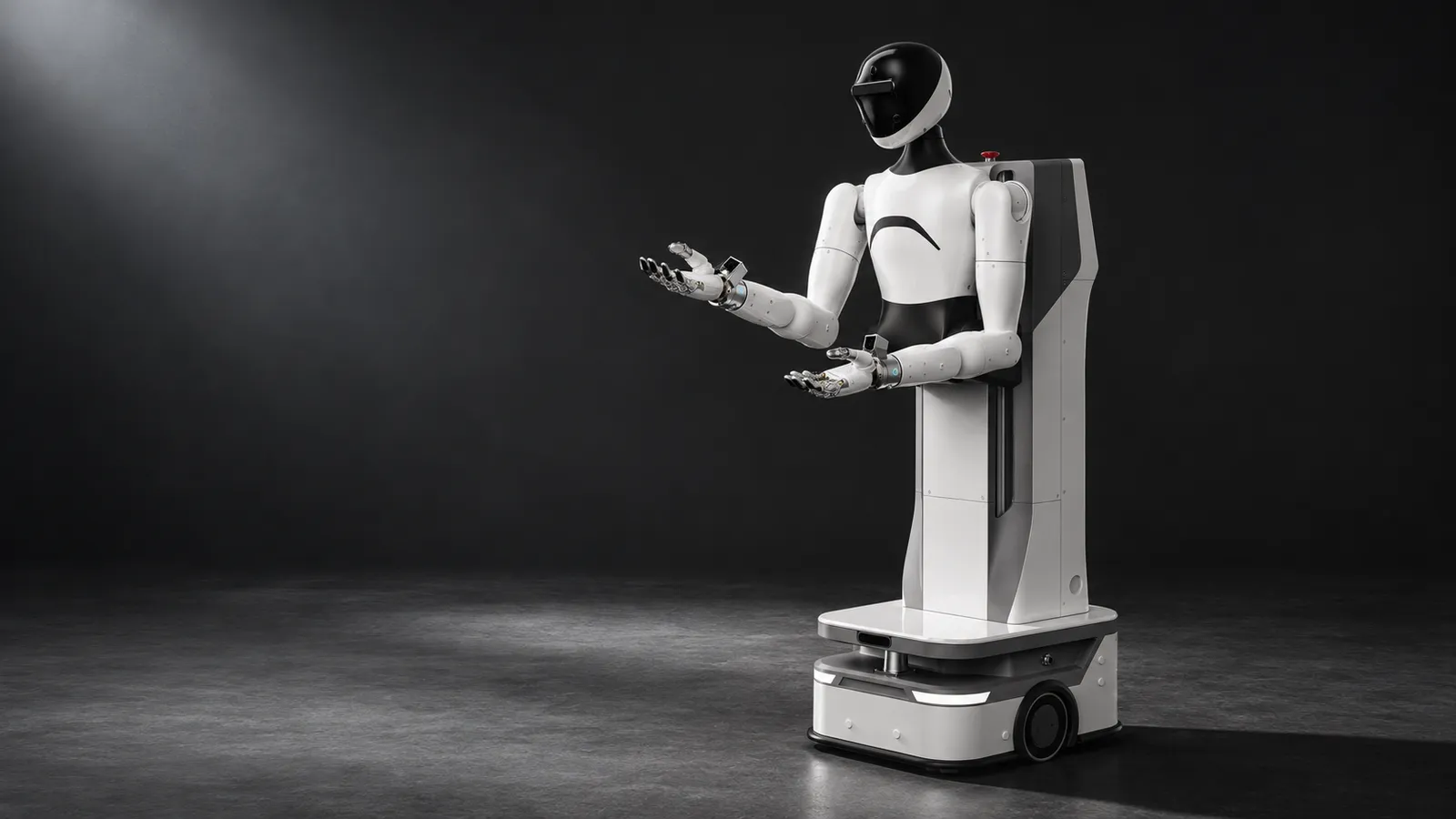 AgiBotAgiBot Genie G1 teleoperationTeleop data collection and GO-1 fine-tuning
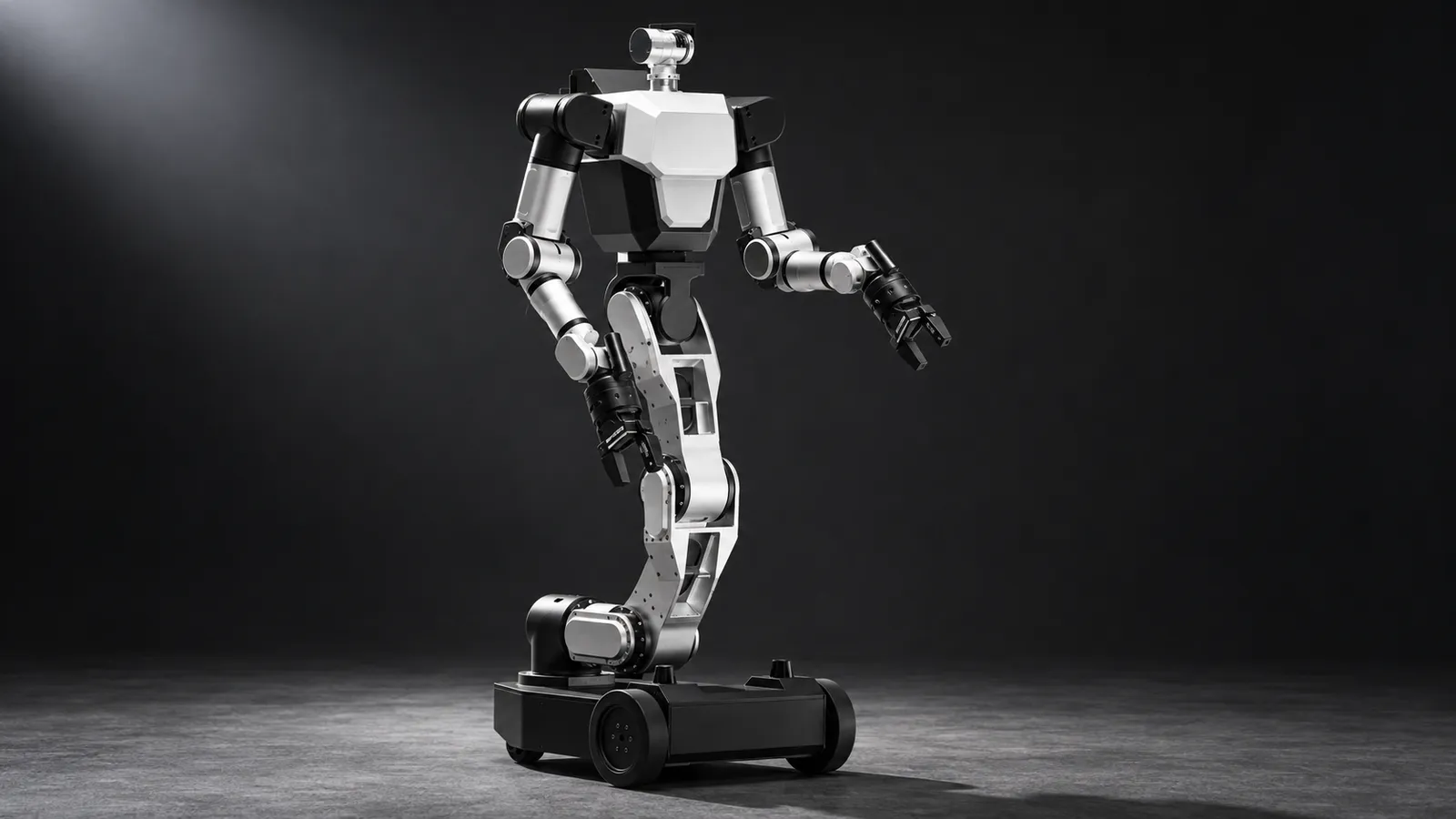 Rainbow RoboticsRainbow Robotics RB-Y1 teleoperationLeader-arm bimanual datasets, mobile manipulation research
Frequently asked questions
- How are humanoid robots teleoperated?
- Most often with a VR headset that tracks the operator's head and hands and maps them onto the robot's arms and hands, while the robot's own controller handles balance. Full-body work uses motion-capture suits or exoskeletons, and walking is usually steered with a joystick.
- Which humanoid robots can you actually buy?
- As of October 2026 the humanoids you can order are mostly Chinese research platforms: Unitree (G1, H1, H2, R1), Booster, AgiBot X2, EngineAI and LimX, sold directly or through resellers. Agility Digit and the Rainbow Robotics RB-Y1 are sold through sales teams, 1X NEO is on preorder, and Tesla Optimus and Figure 03 are not for sale. Each model page states its availability with a source.
- How much humanoid teleoperation data do you need to train a policy?
- It depends on the task and the model. Fine-tuning a pretrained vision-language-action model on one task often starts at a few hundred demonstrations; general skills need far more. A one-week trial on your robot gives you the rate per operator hour to plan from.
- Can remote operators take over a humanoid when it gets stuck?
- Yes. The robot asks for help, an operator takes control through the same interface used for data collection, finishes the task and hands control back. The takeover is recorded as a correction episode.